What Is the Difference Between Exposed and Concealed Bathroom Fittings?
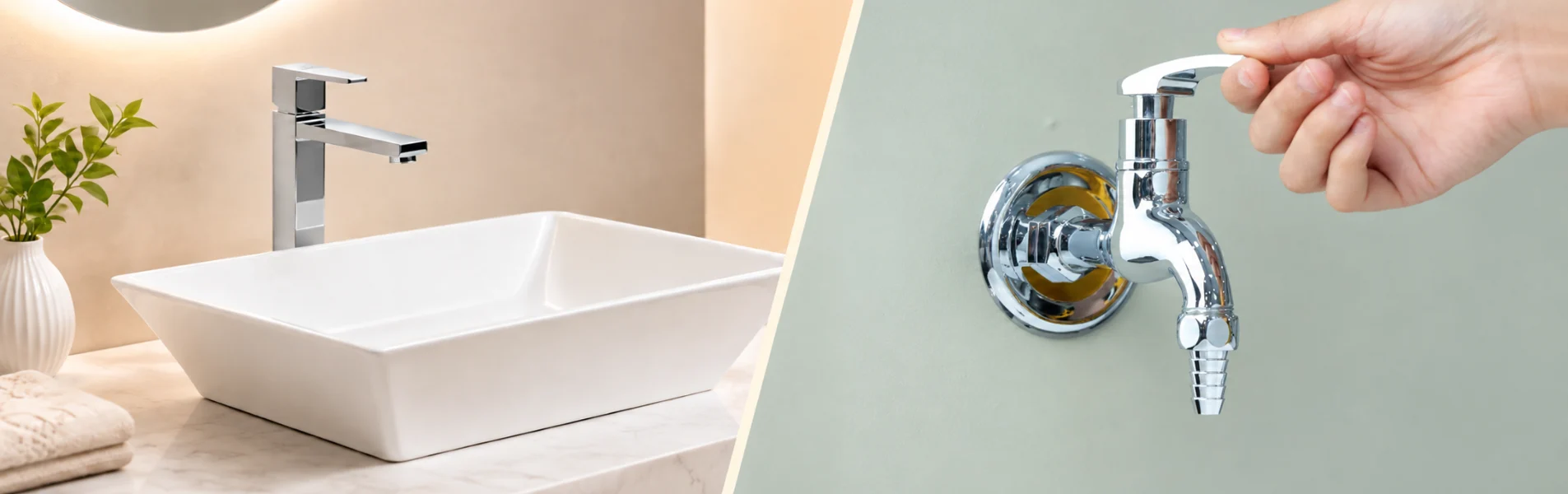
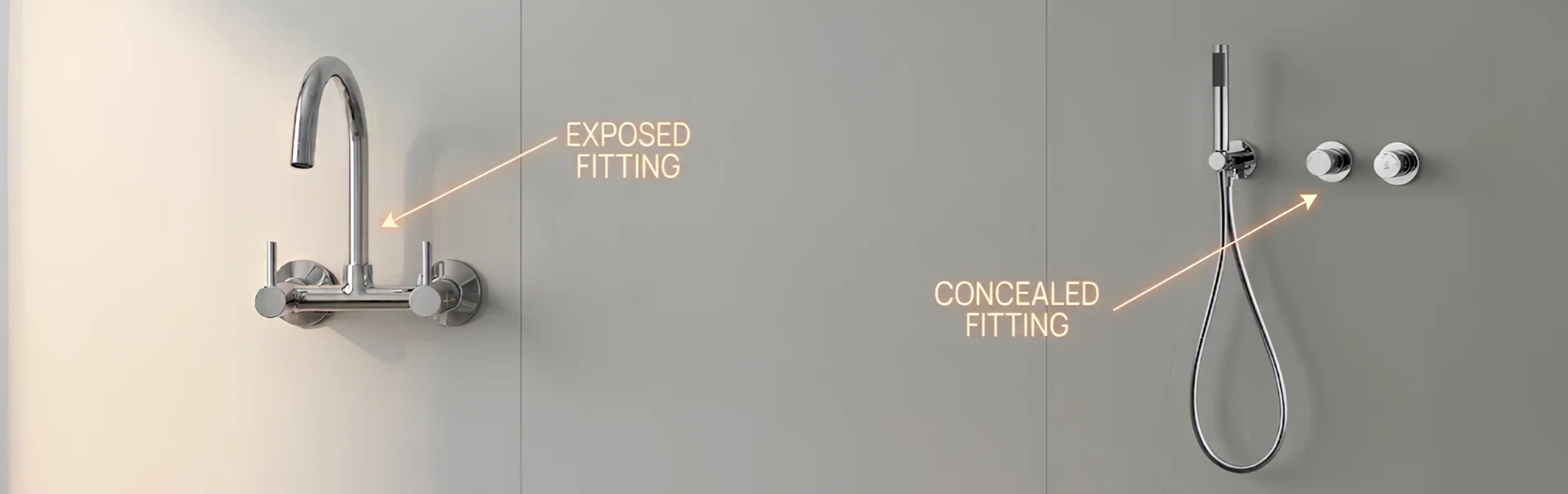
Exposed vs concealed bathroom fittings mainly differ in how much of the plumbing and fixture body remains visible. The concealed fittings have pipes, valves, and the mixer hidden within the wall structure, with just the thin trim plate or lever being visible. The exposed fittings are installed directly onto the wall structure, leaving the valves and pipework visible.
The true distinction between exposed fittings and concealed fittings in bathrooms lies in the location of the functional elements, either on or inside the wall. The concealed fitting provides a cleaner look; however, the exposed fittings remain more accessible for repairs.
At JAL Bath Fittings, we manufacture both, so here is how to pick the right one for your bathroom.
Key Takeaways
- Concealed fittings conceal the valves and piping in the wall.
- Exposed fittings leave everything open and accessible.
- Concealed installations require prior planning before tile work, generally done during a complete refurbishment.
- Exposed fittings are ideal for quick replacements, rentals, and cost-saving purposes.
- Leakage, rather than aesthetics, is what actually counts.
- In hard water areas, exposed fittings work better because of their ease of cleaning.
- The modern Indian bathroom now combines both, zone-wise.
- A good-quality forged brass concealed body is more important than the fittings.
What Do We Mean by Exposed and Concealed Bathroom Fittings?
The exposed fitting, like a wall mixer or an exposed shower valve, is screwed to the tiled wall. This exposes its body, handle, and sometimes a length of pipe. The concealed fitting, for example, a diverter body and a cistern, is located behind the wall. It only exposes its trim, spout, or flush plate after the tiles are installed.
Even the exposed fittings have a short section of buried inlet. Even the concealed fittings expose a trim. The actual distinction lies in the location of the serviceable valve.
Why Do Concealed Bathroom Fittings Look So Clean?
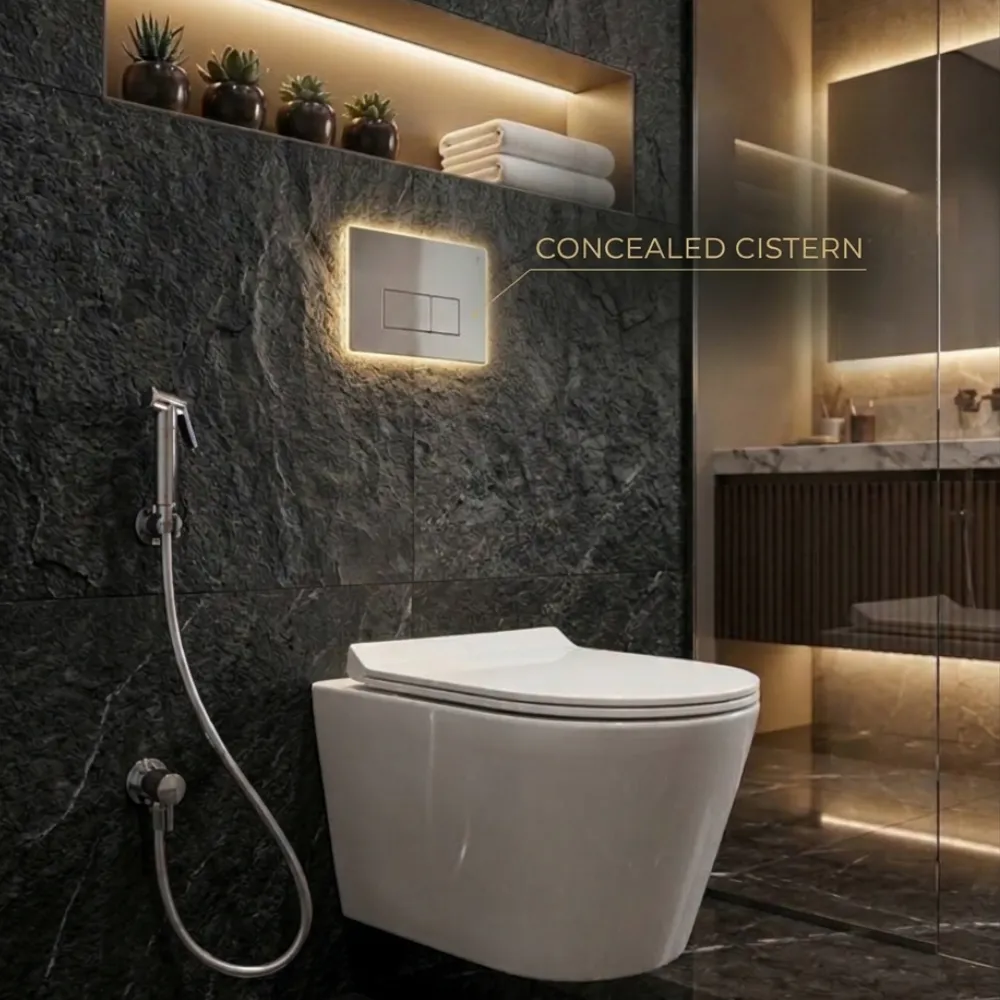
Hidden plumbing gives your wall a clean appearance. There is no piping leading to the shower head or going across the tiles. All you have is a flat plate, a lever, and the shower head. Such a product is perfect for modern minimalist bathrooms and small spaces.
The Concealed Bodies collection is made of forged brass, featuring ‘Push Type’ and ‘Easy Turn’ diverters. They are hidden behind the wall, while you select whatever finish you want for the trim pieces. Concealed Cistern does the same for the toilet. Your tank and frame get hidden in the wall, leaving only the dual-flush plate visible. This pairs beautifully with a wall-hung WC for a floating, uncluttered look.
Why Do Exposed Bathroom Fittings Stay So Popular?
Not all exposed plumbing fittings are considered outdated just because of the pipes that are visible. Some products are manufactured with this type of aesthetic in mind. Chrome, matte black, and brushed finishes can be used effectively when exposed. The best thing about having exposed plumbing fittings is the ease of access. All our exposed faucets come with a quick-install design and simply mount directly to the wall without any need for chasing. It’s easier to install exposed fittings in an existing bathroom. There is less structural work, so projects finish quicker with less mess. An overhead shower paired with an exposed arm is a common, practical choice too.
How Do Installation Needs Differ Between the Two?
Work that is hidden requires the wall to be cut open prior to installing tiles. The body of the valve, the pipes, and the frame can then be inserted into this space. After leak testing, the wall is then plastered, made waterproof, and tiles installed around the trim.
Concealed fixtures, therefore, are best used where there is a total renovation or construction going on. Exposed fixtures avoid most of this process. They are attached to a finished wall using short nipples.
Which One Is Easier to Maintain and Repair?
This should be the determining factor in making your decision. With an exposed fitting, a leaking joint is easily visible and repairable. A plumber closes the valve, replaces the washer or the cartridge, and repairs the leak in no time.
When dealing with a concealed fitting, things get complicated. A high-quality, front-accessible body makes it possible for the plumber to replace the cartridge via the trim only. On the other hand, a poor-quality and possibly seized body means ripping off some tiles to replace the cartridge. For this reason, the quality of the body is more important than the trim finish.
Does Water Quality Affect Your Choice?
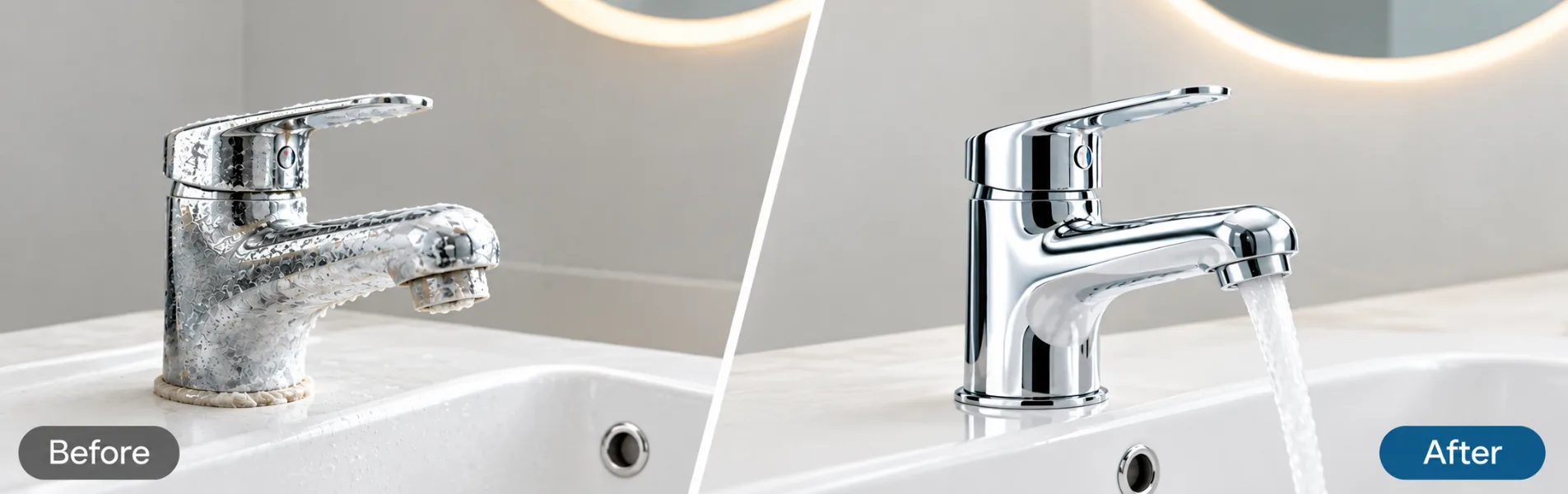
Hard water is widespread throughout various regions of India. It causes buildup of limescale in the cartridge, aerators, and valve seats. In cases where there are exposed fittings, it becomes easy to clean this buildup.
However, in the case of concealed fittings, the cartridge is hidden in the wall. In this way, the wear goes unnoticed for a longer period of time. In such a case, go for a concealed body that has a descalable cartridge. Routine servicing matters more here than with any other factor.
Which Costs More, Exposed or Concealed?
Hidden fittings tend to be more expensive in total. This is because the fitting consists of two parts – the body and the trim – which makes it more expensive. Labor costs are also higher for hidden fittings due to the need for wall chases, pressure testing, and tiling. Fittings that are visible tend to be charged as a single unit and are easier and faster to install. When renovating a whole bathroom, the hidden fittings may be quite expensive. Hence, factor in installation time and any future repair risk, not just the sticker price.
Can You Use Both in the Same Bathroom?
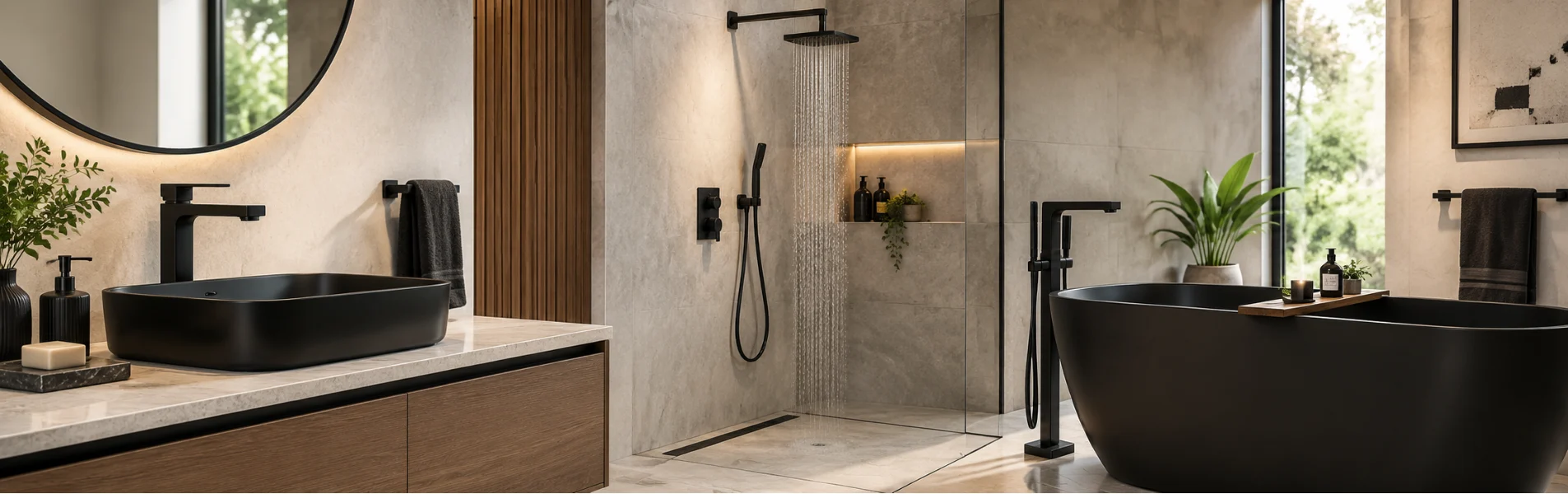
Certainly, and it is a method that many homeowners have mastered. One solution would be to use hidden fittings for the shower, as this is where the clean effect really makes a difference. For the basin, utility points, and other areas that can be retrofitted in the future, you will use exposed fittings.
Exposed vs Concealed Bathroom Fittings at a Glance
| Factor | Concealed Fittings | Exposed Fittings |
|---|---|---|
| Appearance | Clean, minimal, flush with the wall | Visible pipework that can be a style feature |
| Best Fitted During | New builds or full renovations | Any time, including quick replacements |
| Installation Work | Requires wall chasing, waterproofing, and tiling around the trim | Mounts onto the finished wall with less disruption |
| Repair Access | Good if the internal body is front-serviceable | Easy access, with components remaining reachable |
| Hard Water Care | Needs a proven, serviceable cartridge | Simple to inspect and clean |
| Typical Cost | Higher, including the body, trim, and labour | Lower, usually priced as one unit |
| Finish Changes Later | Often easier; replace the trim if compatible | Usually requires changing the whole fitting |
Which Should You Choose for Your Bathroom?
Go for concealed fixtures in case you are constructing or doing a complete renovation. Opt for them if having a flush and clean wall is important to you. Go for exposed fixtures if you are looking for a quick and affordable installation. They are also appropriate for rentals or for bathrooms that need future renovation. In any case, the quality of installation will be determined by the fitting quality. At JAL Bath Fittings, each fixture comes with a 10-year warranty.
The Final Verdict: Exposed vs Concealed Bathroom Fittings
Neither is the better choice by itself; it’s only the one that suits your needs. Concealed bathroom fixtures deserve the effort put into their installation through the high-quality finish they give, while exposed fixtures make things easy and accessible. Download our online catalogue to compare finishes, or get in touch with our team for a quote tailored to your renovation.