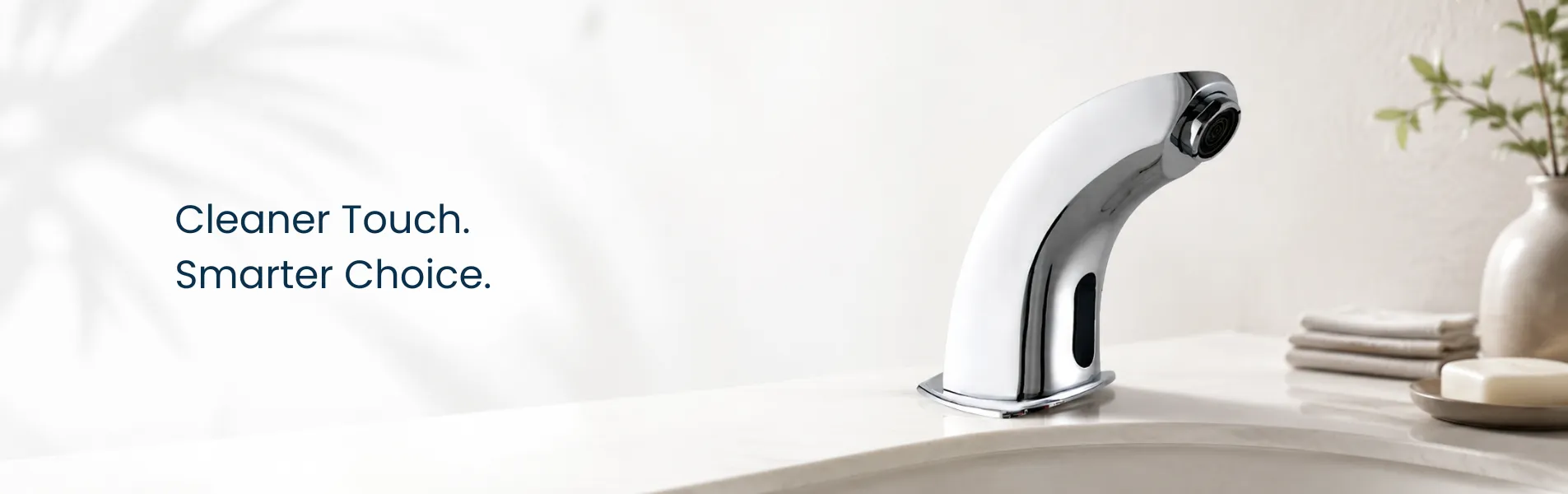
Struggling with Faucet Contamination? Here’s a Better Alternative
In crowded restrooms and kitchens, faucet handles are frequently used all day long. The tap is turned on during meal preparation, then someone else uses it after washing, and the same faucet handle gets touched again and again by dirty hands. Even if these high-touch surfaces are frequently cleaned, germs can still accumulate over time.
This is one of the reasons why faucets that do not require hands to operate are gaining popularity. For example, using a foot-operated faucet, an elbow-operated faucet, and a touchless faucet during bathroom installation can minimise contact while making water usage convenient and efficient.
Why Faucet Contamination Is a Growing Concern
Hygiene standards have evolved considerably over the past few years. There is increased awareness of how much contact surfaces are involved in spreading germs within the kitchen, bathroom, and other public environments.
The faucet is one of the most frequently handled devices in any setting. An individual may clean their hands, but then again, they touch the same faucet after contamination. When it comes to shared settings such as offices, hotels, hospitals, and schools, the problem is more pronounced.
That is why most bathrooms and kitchens have been shifting towards hand-free solutions.
Understanding Hands-Free Faucet Solutions
There are various hands-free faucet types, each built for different applications. Even though all of them minimise direct contact, the means of achieving it differ.
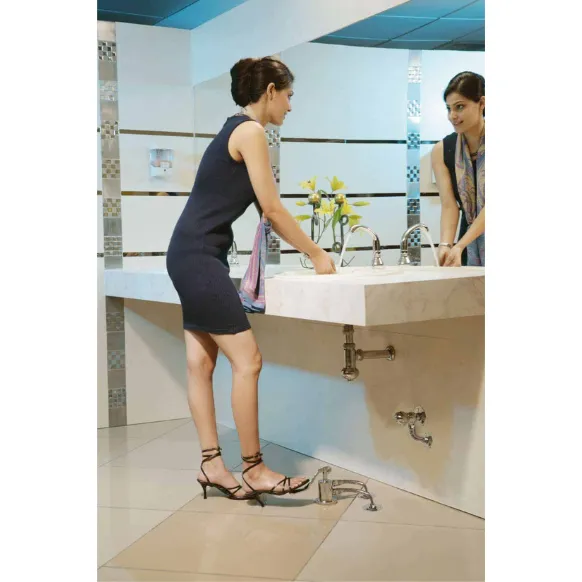
Foot Operated Faucet
Foot-operated faucets work using foot pedals, which open and close the valve controlling the water flow. As a result, the risk of contamination becomes minimal because the user does not have to come into contact with the faucet. Such faucets can be found in various locations like hospitals, clinics, restaurants, and contemporary kitchens.
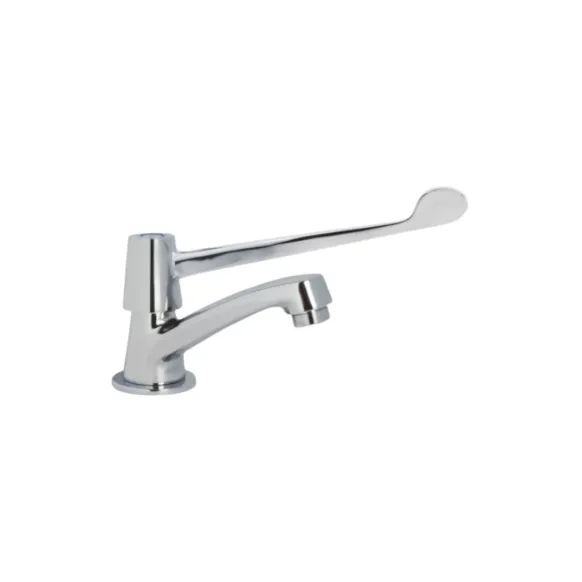
Elbow-Operated Faucet
The elbow-operated faucet has a handle extended enough to allow the user to operate the faucet without using their hands. This maintains cleanliness and ensures ease of operation at the same time. This device is commonly used in health care facilities and kitchens due to its non-contact feature.
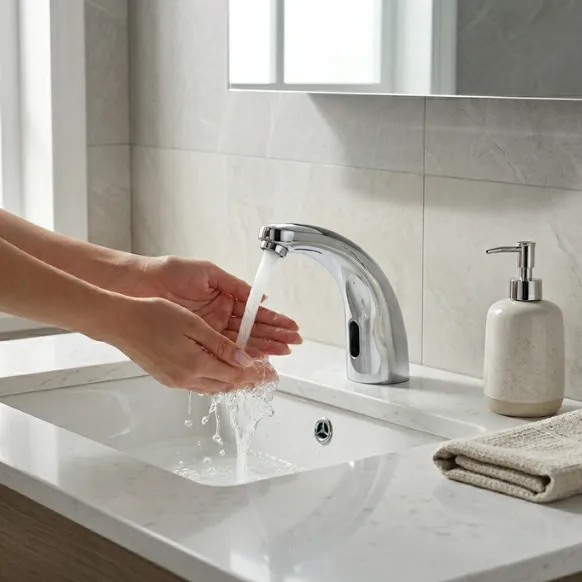
Touchless Faucet for Bathroom
Touchless faucets used in the bathroom work on the principle of sensing any hand motion. The flow of water is activated by the presence of hands in front of the sensor and is deactivated after the hands are withdrawn. This kind of arrangement serves both hygienic purposes and convenience.
Benefits of Hands-Free Faucets
Hands-free faucets offer several advantages beyond hygiene alone. They improve convenience, support water efficiency, and make daily use more comfortable.
Better Hygiene
The main benefit of using a foot-operated tap, an elbow-operated tap, or a sensor tap is that there will be less physical contact. This means that there is a lesser chance of transmitting germs since the person using the tap does not have to come into direct contact with the tap handle itself.
Improved Convenience
Hands-free functionality is particularly beneficial when engaged in cooking, cleaning, and washing. There is no need to touch the tap handle with unwashed or dirty hands to get water.
Water Saving
Many hand-free systems offer greater control over the use of water. The sensor system turns off the water flow when it is not being used, whereas the foot-based system gives users greater control over the release of water.
Suitable for Residential and Commercial Spaces
The hands-free faucets are not restricted only to use in hospitals or institutions anymore. Many house owners appreciate this invention for being hygienic and providing a more advanced look for their bathrooms or kitchens. The same advantage is enjoyed by commercial establishments.
Easier Maintenance
Because the faucet area is touched less often, fewer stains and water marks will accumulate. This will assist in keeping the faucet area cleaner and prevent frequent cleaning.
Which Option Works Best for Different Spaces?
The right faucet system usually depends on where it will be installed and how frequently it will be used.
- For setting up a modern bathroom, a touchless faucet is ideal due to the importance of convenience and cleanliness. Additionally, it is suitable for premium commercial areas owing to its sleek design.
- The foot-operated faucet works very well in the kitchen, in hospital environments, and in places where food is prepared. In such cases, there is a necessity to use hands-free faucets while working.
- An elbow-operated faucet is commonly preferred in clinics, healthcare facilities, and commercial kitchens because it combines quick operation with improved hygiene.
Understanding the environment and daily usage helps in selecting the most practical solution.
What to Look for Before Choosing a Hands-Free Faucet
Not all hands-free systems offer the same level of performance. The quality of materials and internal components plays a major role in long-term reliability.
Before selecting a faucet, it is important to consider:
- Ease of operation
- Water flow consistency
- Durability of materials
- Installation compatibility
- Maintenance requirements
At JAL Bath Fittings, we focus on creating solutions that combine functionality with long-term performance. Our products use Spanish technology cartridges for smooth water control and Swiss technology aerators that help maintain balanced flow and better water efficiency.
These features help ensure reliable operation in both residential and commercial environments.
How JAL Bath Fittings Supports Modern Hygiene Needs
Modern bathrooms and kitchens now require fittings that support both hygiene and convenience. At JAL Bath Fittings, we focus on developing practical solutions that match these changing expectations.
Our hands-free faucet systems are designed to improve cleanliness while maintaining ease of use and durability. Whether it is a foot-operated faucet, an elbow-operated faucet, or a touchless faucet for bathroom use, the focus remains on smooth performance and long-term reliability.
By combining functional design with durable components, we aim to create faucet solutions that work efficiently in everyday environments.
Conclusion
Traditional faucets continue to create hygiene challenges because they require repeated hand contact throughout the day. In homes, kitchens, bathrooms, and commercial spaces, this increases the chances of contamination and makes maintaining cleanliness more difficult.
Hands-free system setup provides a more hygienic and convenient alternative. They help reduce direct contact, improve water efficiency, and support easier daily use.
Choosing the right system depends on the environment, usage needs, and installation requirements. A well-planned hands-free setup can significantly improve both hygiene and user experience over time.